Sound Healing Blog
Explore the ancient wisdom of sound healing, meditation practices, and wellness insights from our expert practitioners.

Creating a Home Sound Sanctuary
You don't need a temple or a studio to practice with singing bowls. A quiet corner, thoughtfully arranged, can become the most important room in your home — a place where sound, silence, and attention meet.
How to Clean and Care for Your Singing Bowl
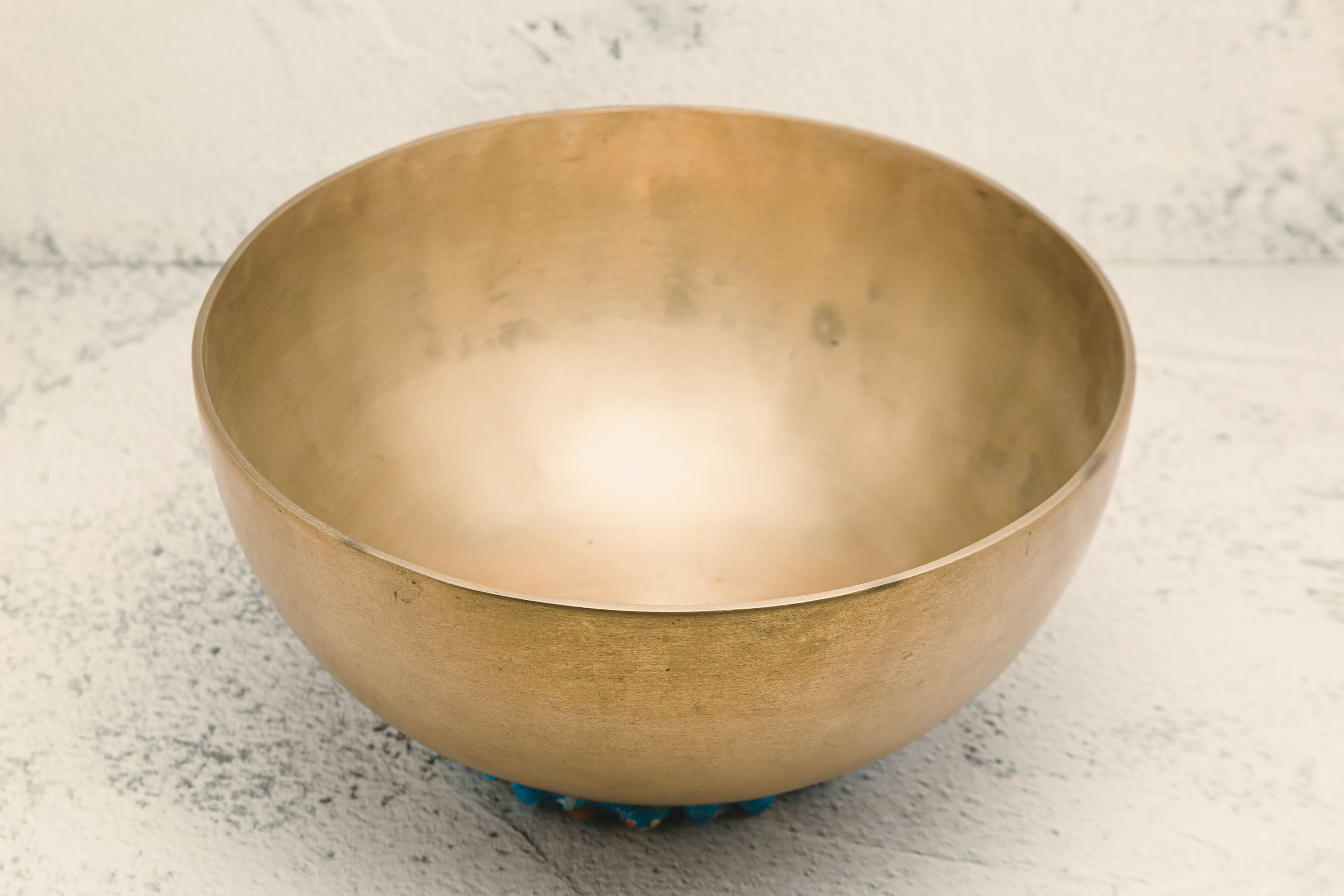
A singing bowl is built to last generations — but aggressive cleaning can do more harm than good. Learn when to wipe, when to leave patina alone, and why over-polishing can permanently change the sound you fell in love with.
Chakra Balancing with Singing Bowls: A Practical, Open-Minded Approach
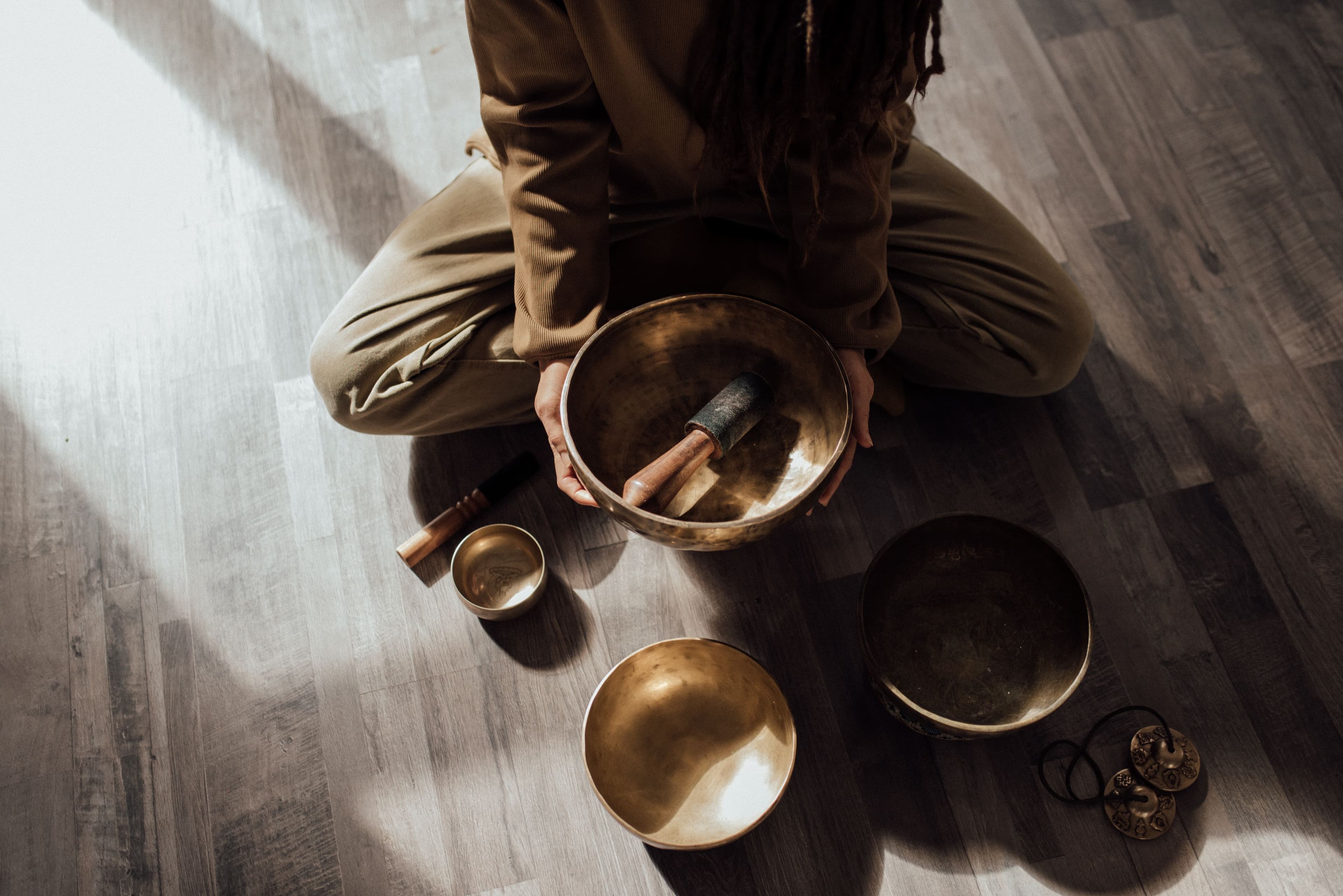
The tradition linking seven metals to seven chakras offers a beautiful framework for sound work — but the best sessions begin with curiosity, not dogma. How to structure a chakra bowl practice that honors both tradition and your own experience.

Singing Bowls for Yoga: Sound at the Beginning and End of Practice
A singing bowl can transform a yoga session from a sequence of poses into a complete journey — marking the threshold between everyday life and practice, and helping the body settle into breath.

Singing Bowls for Meditation: Building a Daily Practice
You don't need an hour or a collection of bowls to begin. Even ten to fifteen minutes a day with a single singing bowl can reshape how you start mornings, navigate work, and close the evening.
Antique vs Modern Singing Bowls: What Actually Matters
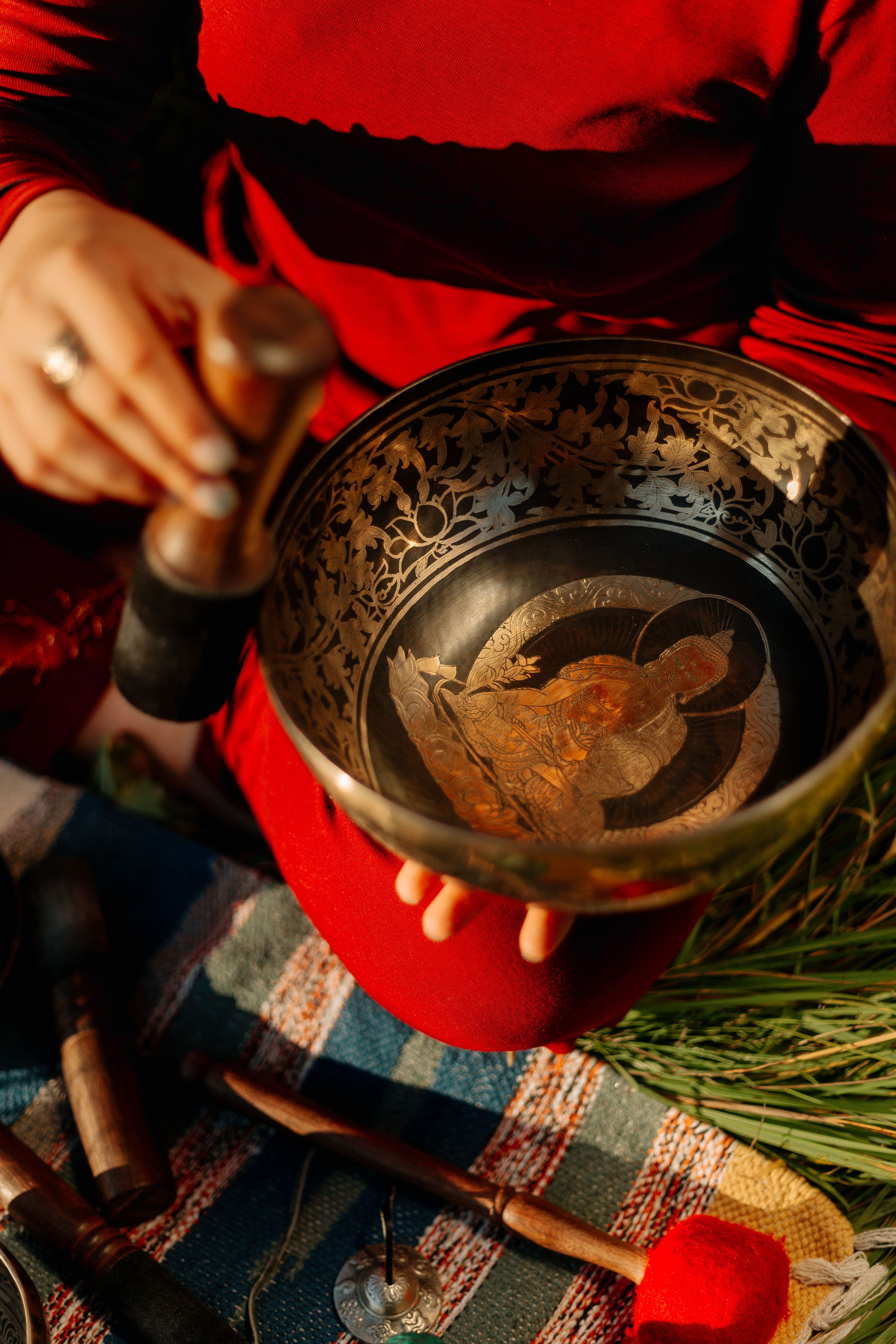
Handmade or machine-made, old or new — the label on a singing bowl matters far less than how it was made and how it sounds. A practical guide to telling the difference and choosing wisely.

The Four Noble Truths Behind the Bell and Dorje
The ritual use of bells and dorje in Tibetan Buddhism is rooted in one of the Buddha's most fundamental teachings — the Four Noble Truths. Understanding them adds a new dimension to every chime and every gesture.

Bells and Dorje: Sacred Instruments of Himalayan Ritual
Ritual bells and the dorje are among the most symbolically rich instruments in Tibetan Buddhism and Himalayan shamanism. What they represent, how they are used, and why their sound is considered an offering.

Meteoric Metal: The Legend of "Sky Iron" in Himalayan Instruments
In the finest tingsha cymbals, ordinary iron is sometimes replaced by a rare meteoric substance known as "sky iron" — a material said to give the metal a distinctive pearly luster and contribute to an exceptionally pure sound.
Tingsha Explained: The Ringing Cymbals of Himalayan Tradition
Small, paired, and deceptively powerful — tingsha cymbals are among the most recognizable companions to singing bowls. What they are, where they come from, and why their clear tone matters.

Therapeutic Applications: How Singing Bowls Are Used in Healing Today
Singing bowls are increasingly finding their place in therapeutic settings — from sound healing sessions to integrative wellness practices. What this shift means, and how you can experience it even without owning a bowl.

Open Heart, Open Mind: How to Approach Your Singing Bowl Without Expectations
The greatest discoveries with a singing bowl come when you expect nothing. Why preconceptions and impatience block the experience — and how openness becomes your most reliable guide.

The Art of Listening: A Meditation Practice With Your Singing Bowl
Listening to a singing bowl is not passive hearing — it is a skill you can cultivate. Eva Rudy Jansen's approach moves from experiencing sound as a whole to discovering the hidden layers within it.

Signposts in a Magic Land: Beginning Your Journey With a Singing Bowl
Every singing bowl owner has access to what Eva Rudy Jansen calls a "magic land" — a personal inner landscape revealed through sound. Here is how to find your way in.
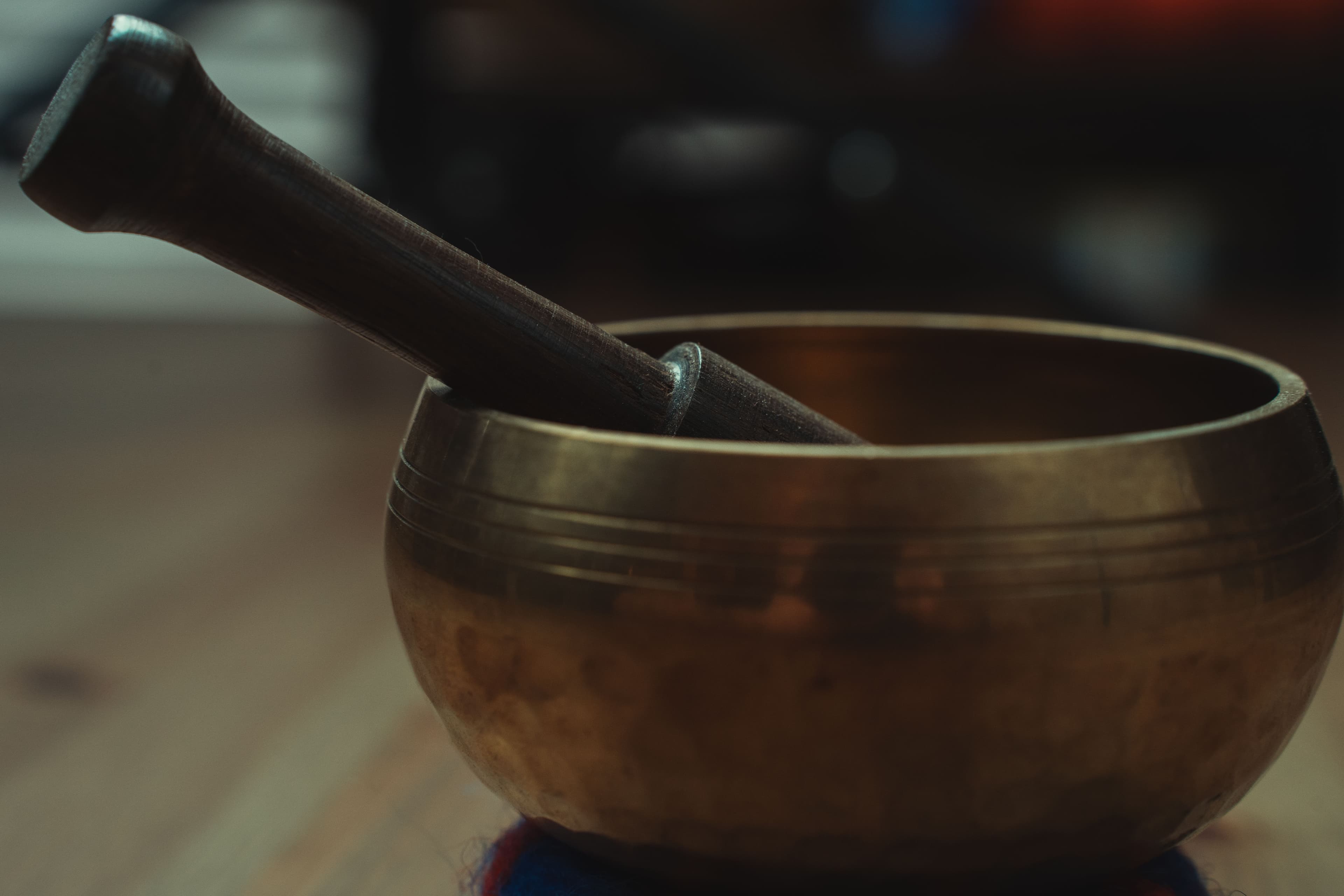
Essential Mallets and Strikers: Choosing the Right Tool for Your Bowl
The mallet you use shapes the sound as much as the bowl itself. A guide to the main types of strikers — and how each one coaxes a different voice from the metal.
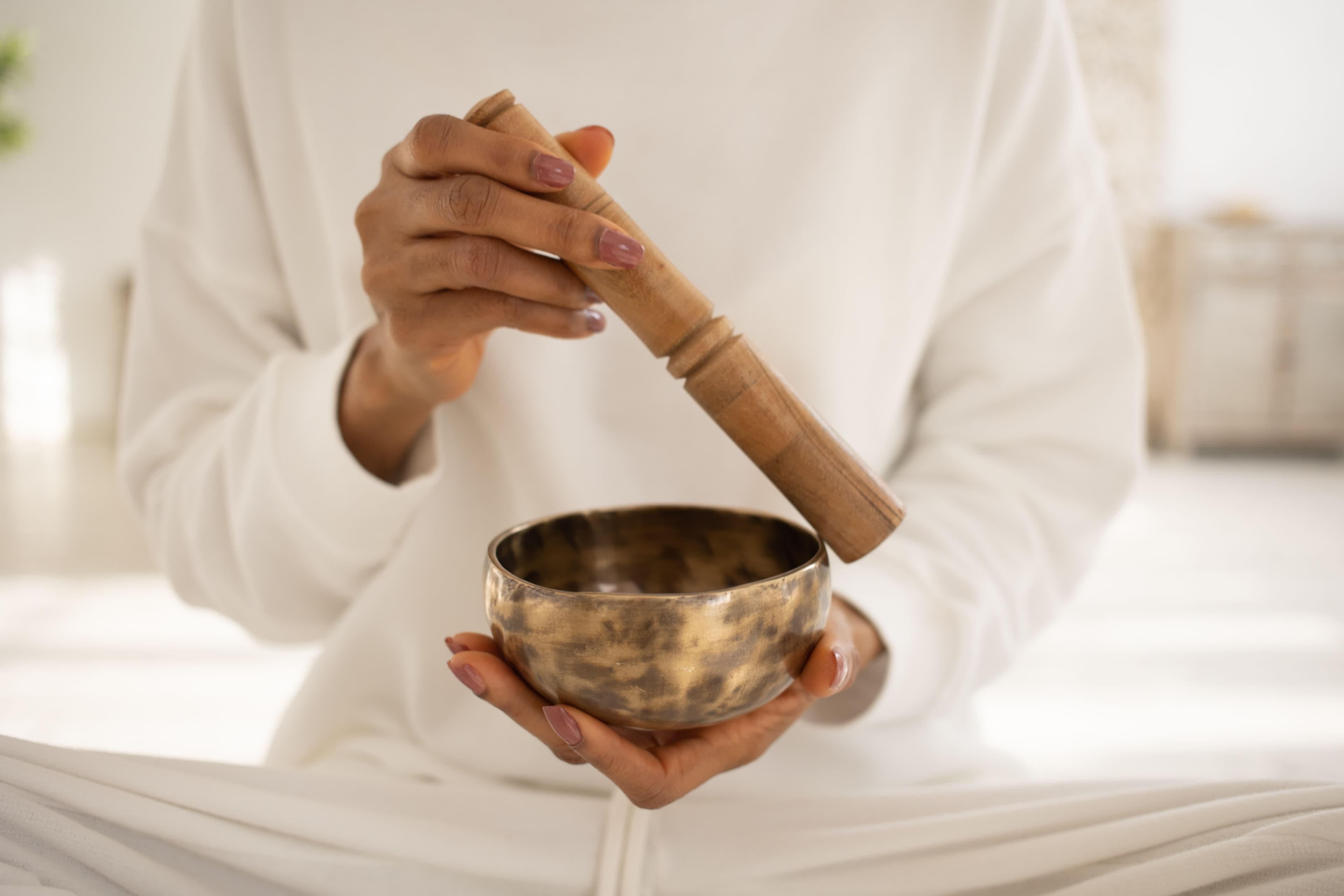
Striking vs Rimming: The Two Essential Ways to Play a Singing Bowl
Every singing bowl can be played in two fundamentally different ways — struck like a bell or rubbed like a wine glass. Each technique opens a different door into the instrument's voice.

Trust Your Intuition: Why Your Singing Bowl Choice Is Personal
No inscription, price tag, or seller's recommendation can tell you which singing bowl belongs to you. Eva Rudy Jansen reminds us that the journey inward is the only reliable guide.
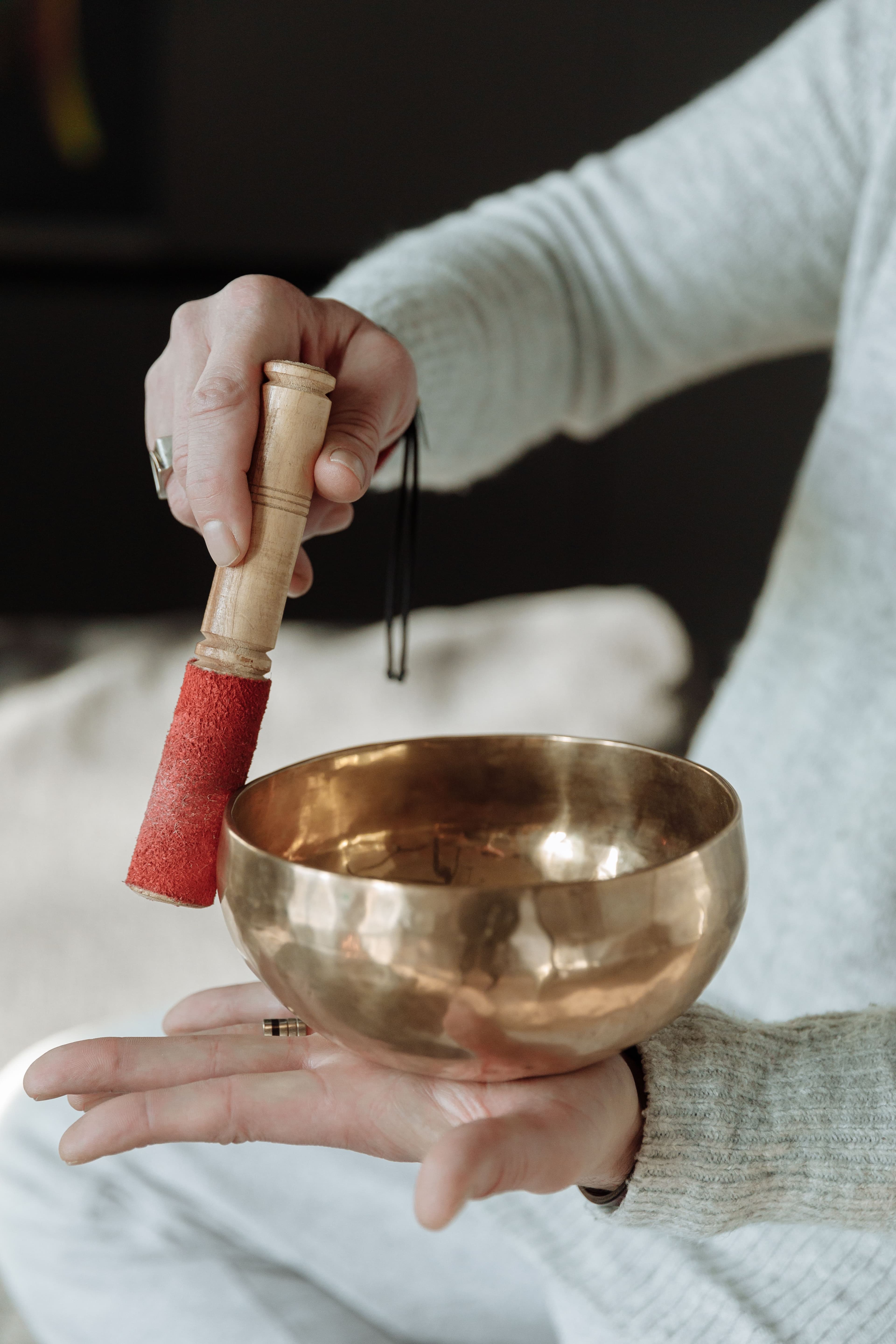
How to Choose Your Singing Bowl: A Step-by-Step Method
Choosing a singing bowl is not like picking a kitchen pot. Eva Rudy Jansen's practical method invites you to listen with your whole body — and to trust that the right bowl will make itself known.

Seven Metals, Seven Planets: The Cosmic Alloy Behind Singing Bowls
Traditional Himalayan singing bowls are said to be forged from seven metals, each linked to a planet and a layer of human experience. What does that symbolism mean today — and how does it relate to the bowls you can actually buy?

Shamanism and Brainwaves: How Sound Opens Altered States
Shamans have long used rhythmic sound to journey beyond ordinary awareness. Modern neuroscience describes similar territory in the language of brainwaves — and singing bowls sit at the crossroads.

Synchronization: The Internal Massage of Live Sound
Bodies can fall into rhythm with a singing bowl the way pendulum clocks once fell into step on a shared beam — a phenomenon that helps explain why live sound feels so different from a recording.

Natural Harmony: Why Bowl Sound Feels So Deeply Familiar
Many Western listeners describe singing bowl tones as "coming home" — and the physics of natural harmony offers a compelling reason why resonant metal can touch something older than memory.
Why Every Singing Bowl Sounds Different
Two bowls of the same diameter can sound like entirely different instruments. The reasons are written not in mystical labels, but in shape, thickness, and the hands that hammered the metal.

Sound Is Form: What Cymatics Reveals About Singing Bowls
When vibration meets matter, it draws patterns — visible proof that sound is not abstract, but physically shapes the world around us. The science behind "Sound is Form" helps explain why a singing bowl feels so tangible in the body.

Sound as a Universal Language
Long before anyone wrote a theory of music therapy, cultures on every continent understood that sound could open doors words cannot reach — a truth singing bowls still carry into modern meditation rooms.
From Chalices to Singing Bowls: What Tibetans Actually See
In Tibetan temples, round metal bowls are often everyday tableware — not "singing bowls" at all. Understanding that distinction changes how we read their history, their journey along caravan routes, and why Western ears react so differently.

Ringing Stones and Fountain Bowls: The Ancient Origins of Resonant Objects
Long before anyone spoke of "singing bowls," ancient cultures across Asia were already treasuring objects prized purely for the sound they made when struck. A look at the deep roots of resonant instruments.
The Secretive Masters of Sound
Behind closed monastery doors, a handful of specialists are said to shape the voice of a singing bowl. Who are these "masters of sound," and why does so little verified information about them exist?

East Meets West: How Singing Bowls Reached the Modern World
From colonial-era travelers labeling Eastern beliefs as "superstition" to the 1960s counterculture that opened the door to Himalayan wisdom — the surprising journey of how singing bowls became known in the West.
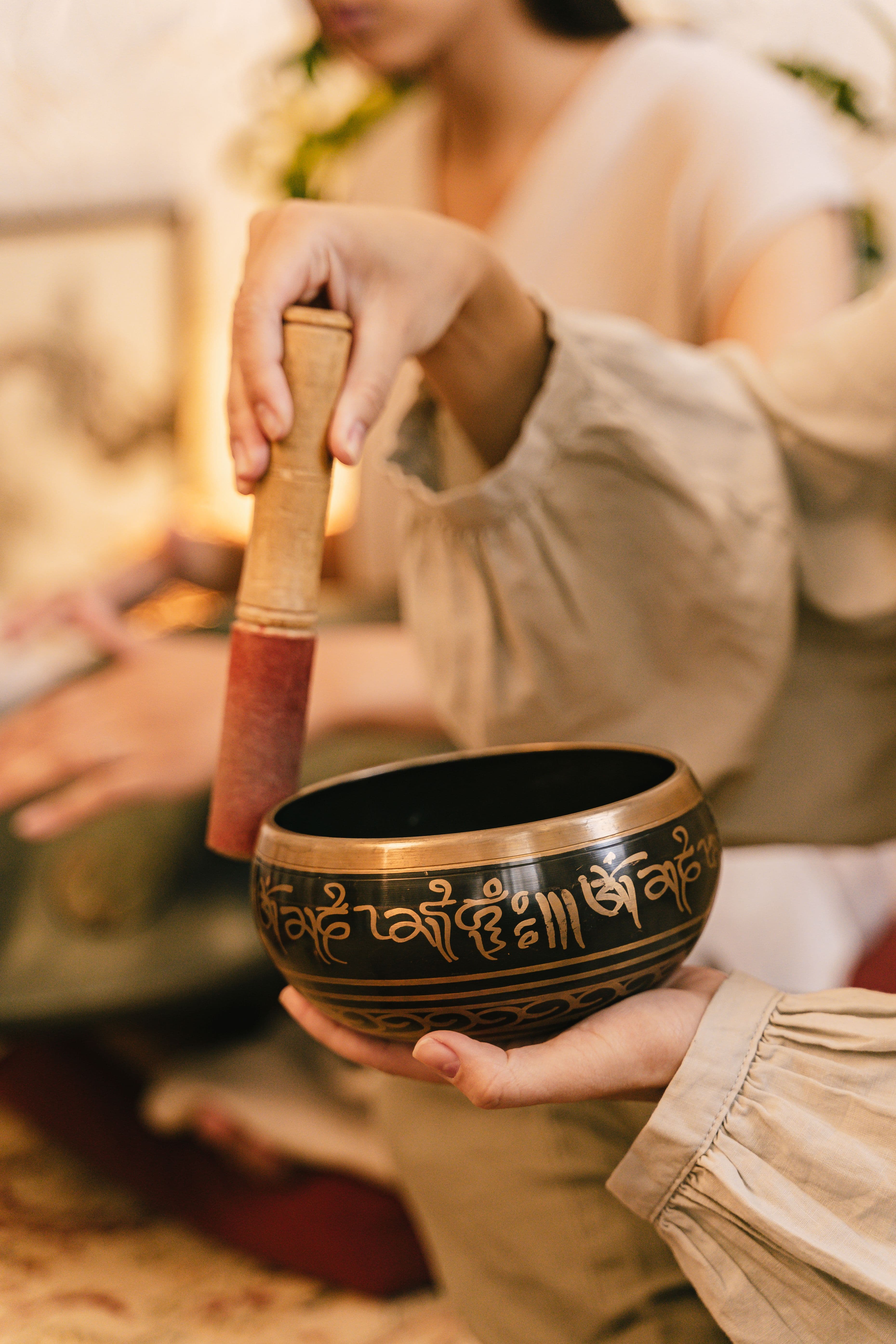
What Are Singing Bowls? A Complete Beginner's Guide
A friendly introduction to singing bowls: what they are, why holding one instantly feels different, and why interest in these resonant metal bowls keeps growing worldwide.