
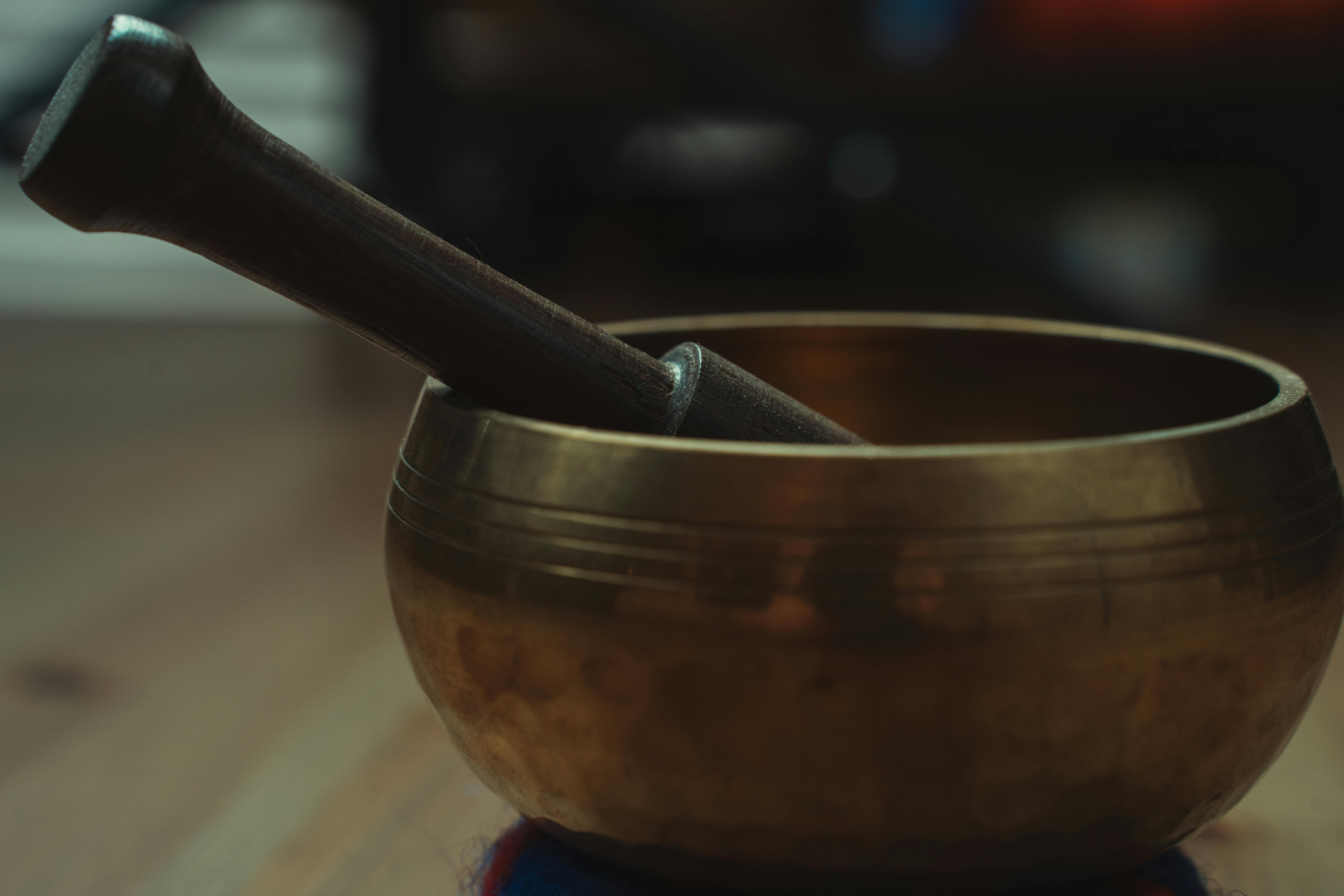
Walk into a Tibetan monastery kitchen and you may find exactly the kind of round metal bowl Western shops label "singing bowls" — except they are being used to serve food. For centuries in Tibet, these vessels were chalices and tableware first. Their ability to ring when struck was known, but it was not their primary identity. The romantic Western image of a monk cradling a resonant bowl in silent meditation is only one chapter of a much longer, more practical story.
Bon, Buddhism, and the Roads Between Worlds
Before Buddhism reached Tibet, the indigenous Bon religion already held a rich shamanic worldview in which sound, ritual and the natural world were tightly woven together. When King Songtsen Gampo unified Tibet in the seventh century and welcomed Buddhist teachings — partly through his marriages to Buddhist princesses — a profound cultural fusion began. Over time, what Westerners call Lamaism (Tibetan Buddhism) absorbed many Bon practices rather than simply replacing them. Drums, horns, chanting and resonant metal objects remained at the heart of ritual life.
Caravans, Shamans, and a Meeting of Traditions
Along the ancient caravan routes linking India, Nepal, Tibet and China, goods and ideas traveled together. Shamanic traditions from Central Asia encountered Buddhist monastic culture at trading posts, mountain passes and border villages. Metal bowls moved with merchants and pilgrims, gradually acquiring new meanings in each place they rested. What began as a useful vessel could become a ritual object, a healing tool, or simply a beautiful piece of tableware — depending on who held it and in what context.
Why Westerners Hear Something Different
Eva Rudy Jansen observes that many Western listeners respond to bowl sound with an intensity Tibetans sometimes find surprising. Where a local person sees a familiar household object, a visitor from another continent may hear a doorway into calm, memory, or spiritual longing. Neither reaction is wrong — they simply reflect different relationships to the same metal shape. Recognizing that gap is the first step toward a more honest appreciation of singing bowls: not as timeless mystical artifacts that always "were" what we now call them, but as versatile objects whose singing voice was discovered, valued and reinterpreted again and again along the road from chalice to instrument.


