
A singing bowl is a metal bowl that, instead of sitting silently on a shelf, produces a rich, sustained tone when its rim is struck or circled with a mallet. Pick one up and strike its edge gently: a deep, pulsing tone spreads through the room, slowly unfolding into shimmering overtones. Many people describe the same sensation the very first time — the sound seems to "hold" them, and for a moment they lose track of time and place.
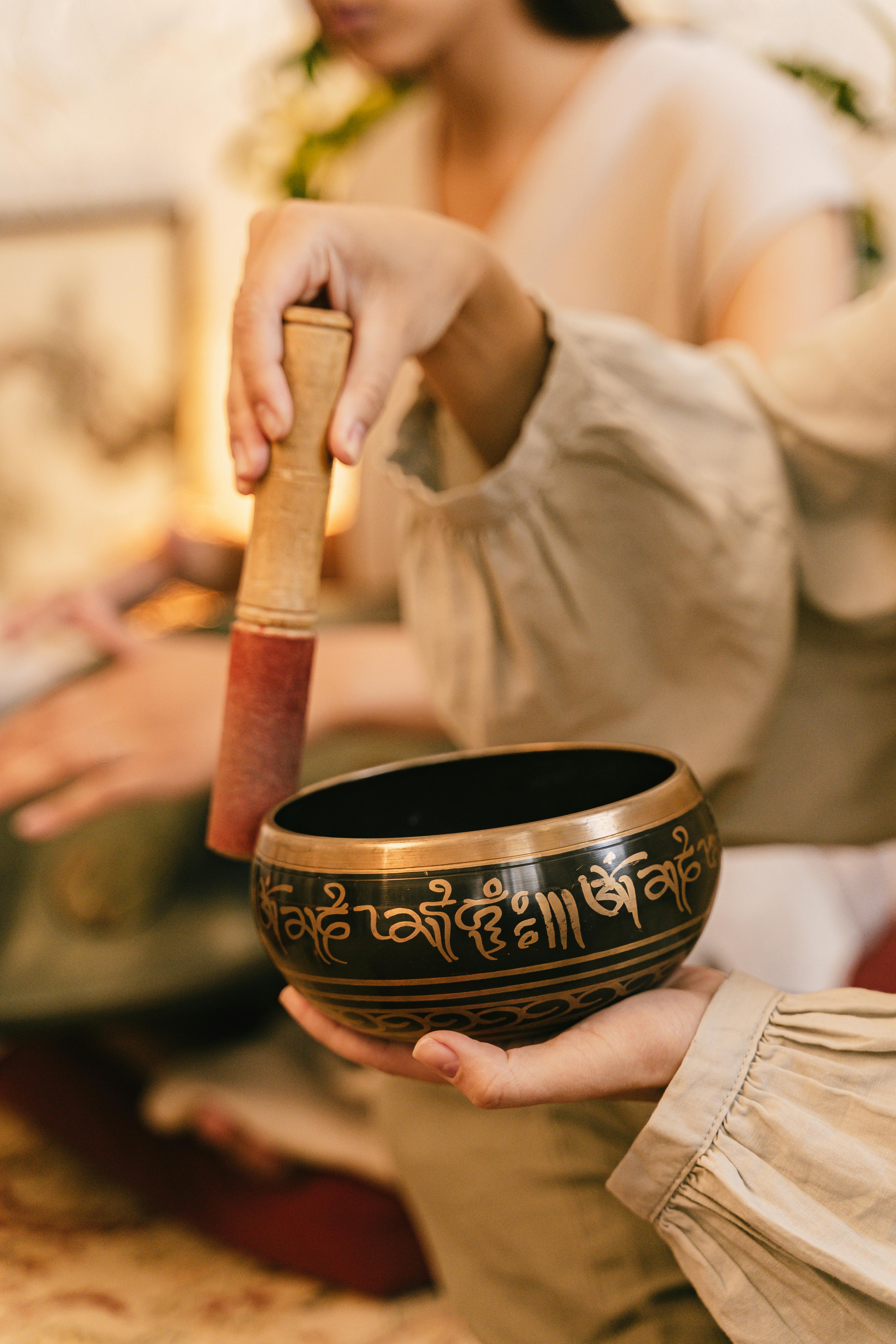
Not Just an Object, an Experience
What makes a singing bowl different from an ordinary bell or gong is the way its sound behaves. The tone isn't a single flat note; it's a living blend of a fundamental frequency and multiple overtones that shift and interact as the bowl continues to resonate. This is why the same bowl can sound completely different depending on who plays it, how hard they strike it, and even the mood of the room.
Why the Interest Keeps Growing
Once found mainly in monasteries, healing circles and specialist shops, singing bowls are now part of yoga studios, therapy rooms, concert halls, and quiet corners of ordinary homes. As more people encounter their sound — at a concert, in a recording, or in a friend's living room — many go further and acquire a bowl of their own, curious to explore what it can offer.
Where the Mystery Begins
Despite their growing popularity, there is no single, universally agreed answer about who first made singing bowls "sing," or exactly why. Even specialists who have spent decades traveling through the Himalayas and studying these objects closely hold different views. That mystery is part of the appeal: a singing bowl invites you to explore rather than simply read a manual.
What You'll Discover in This Series
Over the coming articles, we'll walk through the documented history of singing bowls, the physics behind their sound, practical ways to choose and play one, and the related instruments — tingsha cymbals, ritual bells and the dorje — that often accompany them in Himalayan tradition. Consider this your starting point on a much longer, and very personal, journey.


